Parents of children with learning disabilities often face a complex and frustrating journey. While educational support and conventional therapies may help, there’s one vital area that is frequently overlooked—vision therapy.
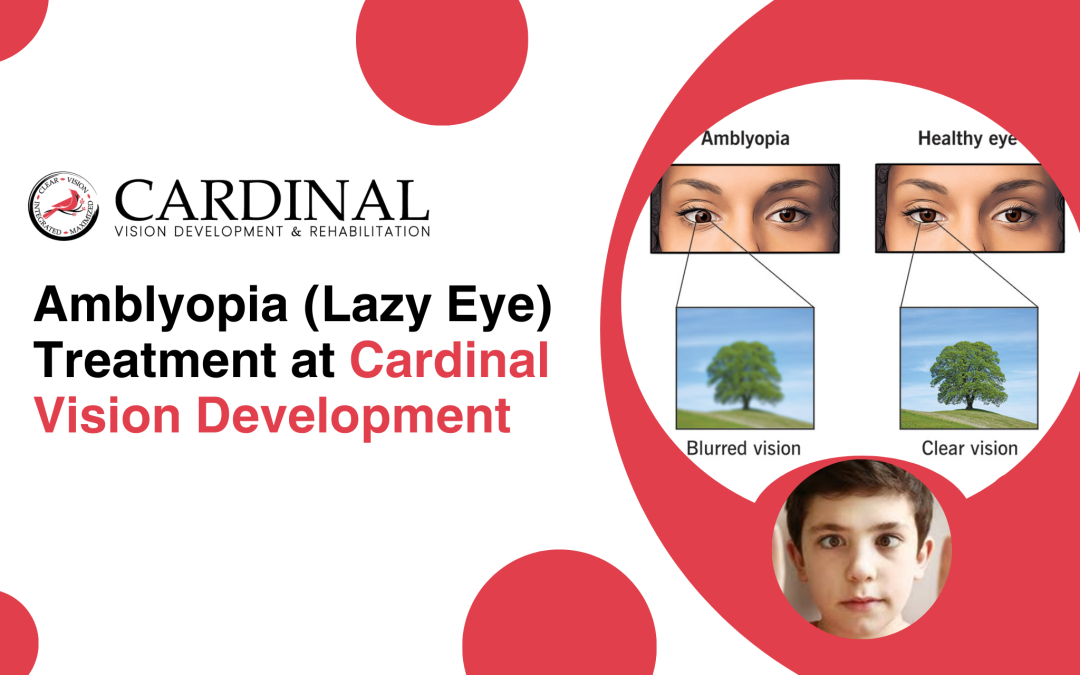
For decades, vision therapy has been recognised as a successful treatment for visual issues such as strabismus (crossed eyes), amblyopia (lazy eye), and visual processing disorders. However, research also shows that many children with learning disabilities struggle with undiagnosed visual problems that can worsen their academic challenges. In some cases, these visual problems may even be mistaken for a learning disability or conditions like ADHD.
Understanding the connection between vision and learning is key to helping your child succeed. In this article, we explore how vision therapy can benefit children with learning disabilities, what it involves, and why a functional vision exam at Cardinal Vision Development in Barrie could be the missing piece in your child’s learning journey.
What Is a Learning Disability?
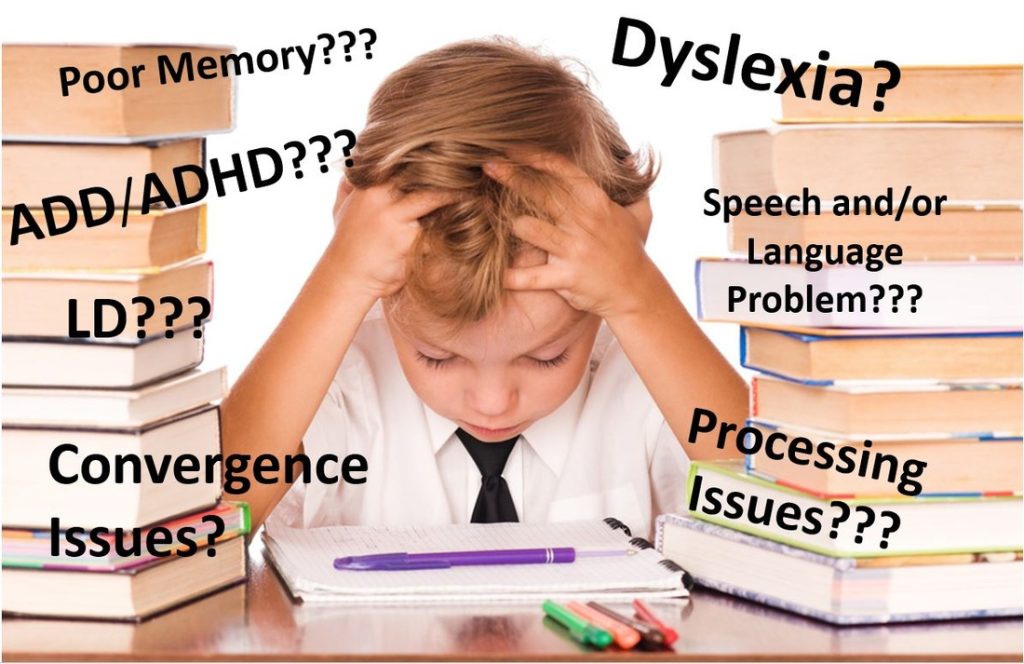
A learning disability is a neurological condition that affects how a child interprets and processes information. It can impact skills such as reading, writing, speaking, listening, reasoning, and mathematics. Common learning disabilities include:
- Dyslexia – affects reading and language processing
- Dyscalculia – affects numerical understanding
- Dysgraphia – affects handwriting and fine motor skills
- Auditory and visual processing disorders
Children with learning disabilities often show signs of poor memory, lack of concentration, difficulty following directions, and trouble staying organised. While they may have average or above-average intelligence, their academic performance often lags behind their peers.
The Overlap Between Visual Problems and Learning Disabilities
What many parents and teachers don’t realise is that visual problems can produce many of the same symptoms as learning disabilities. A child who struggles to follow a line of text, has difficulty copying from the board, or experiences visual fatigue might be perceived as lazy or inattentive, when in fact they’re simply struggling to process visual information.
This overlap often leads to misdiagnoses. Children with undetected vision issues may be labelled with ADHD, dyslexia, or general learning difficulties, when the root cause lies in their visual system.
Even more confusing is the fact that children with 20/20 eyesight can still have serious functional vision problems. Standard eye exams often focus solely on visual acuity and don’t assess how the eyes work together, track movement, or process visual input.
That’s where vision therapy comes in. It focuses on these functional aspects of vision—addressing the real issues that may be hindering a child’s ability to learn.
What Is Vision Therapy?
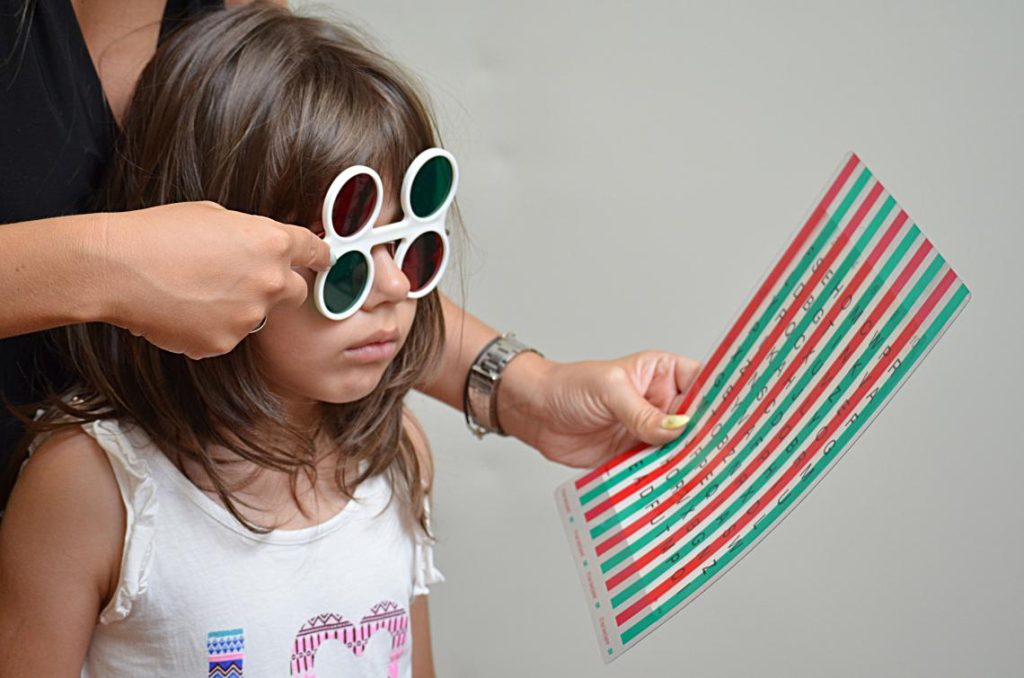
Vision therapy is a doctor-supervised, non-surgical treatment designed to improve the brain’s ability to control eye function. It’s similar to physical therapy, but instead of targeting muscles in the body, it strengthens the visual system.
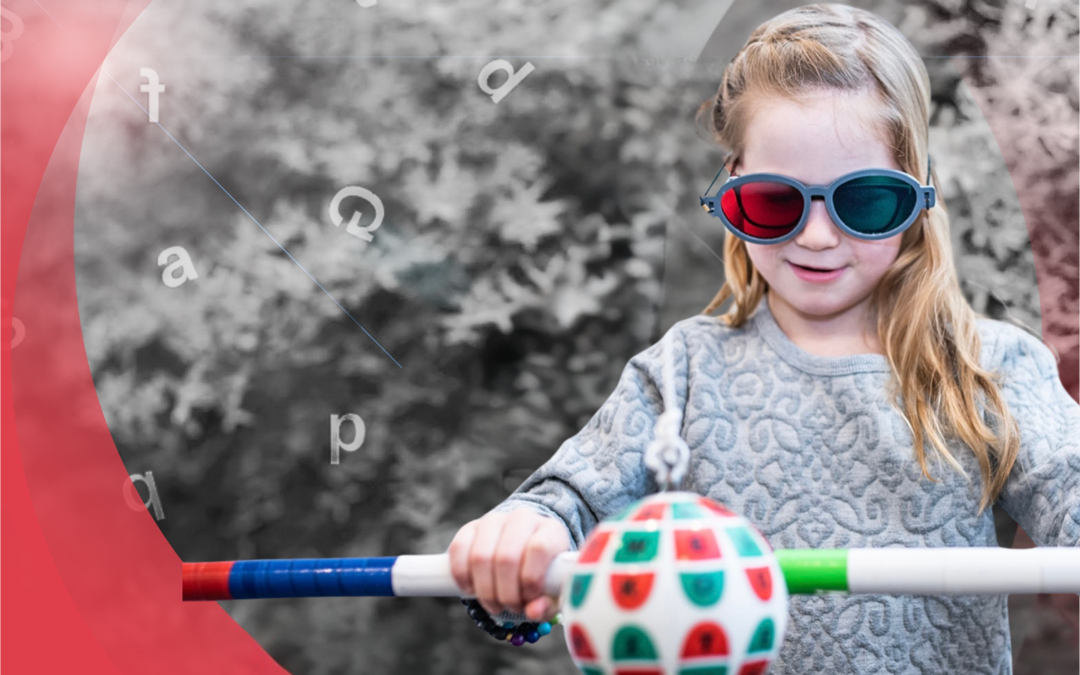
At Cardinal Vision Development in Barrie, vision therapy programs are tailored to each child’s needs. Treatment typically involves weekly in-office sessions combined with daily home exercises using tools such as lenses, prisms, balance boards, and computer-based activities.
The goal is to retrain the brain and eyes to work together more efficiently—improving the child’s ability to focus, track, process, and respond to visual information.
How Vision Therapy Helps Children With Learning Disabilities
Children with learning disabilities often find reading, writing, and attention-based tasks especially challenging. If visual issues are also present, these difficulties are intensified. Vision therapy doesn’t cure learning disabilities, but it addresses underlying visual problems that may be contributing to the child’s struggles.
Here’s how vision therapy helps:
1. Improves Reading Fluency and Comprehension
If a child’s eyes don’t move smoothly across a page, they may skip lines, reread words, or lose their place easily. Vision therapy enhances eye tracking and coordination, making reading easier and more enjoyable.
2. Enhances Focus and Sustained Attention
Children who struggle to maintain focus during reading or homework may be dealing with visual fatigue or focusing issues. Vision therapy improves the ability to sustain visual attention, which can lead to better academic performance and behaviour in class.
3. Boosts Visual Processing and Memory
Many children with learning difficulties have trouble remembering what they’ve seen or recognising visual patterns. Vision therapy helps improve the brain’s ability to process and retain visual information—skills critical for reading, spelling, and comprehension.
4. Strengthens Eye Teaming and Coordination
When the eyes don’t work together as a team, it can cause double vision, headaches, and confusion. Vision therapy corrects these issues, helping children become more comfortable and confident with reading and writing tasks.
5. Improves Hand-Eye Coordination and Spatial Awareness
Children with coordination issues may struggle with sports, puzzles, or drawing. Vision therapy strengthens hand-eye coordination and spatial skills, supporting both academic and physical development.
A Hidden Barrier to Learning
A child may be given the best resources—tutors, educational plans, classroom support—but if they’re unable to process what they see properly, they’ll continue to struggle. This can lead to frustration, low self-esteem, and behavioural issues.
That’s why a functional vision exam is essential. At Cardinal Vision Development in Barrie, we go beyond basic eye tests to assess how well the eyes work together and how efficiently the brain interprets visual information. This exam includes:
- Eye movement control
- Eye teaming and focusing
- Visual perception
- Tracking skills
- Visual memory
These areas are critical to reading, writing, and learning—yet they’re rarely evaluated in a standard vision check-up.
A Success Story
Imagine a child who is falling behind in reading. Despite hours of tutoring, extra help from teachers, and immense effort, they still can’t keep up. Their eyes tire quickly, they get headaches from reading, and their comprehension lags.
After a functional vision exam reveals that the child has convergence insufficiency (an eye teaming issue), they begin a vision therapy program at Cardinal Vision Development. Over several months, the child’s eye coordination improves. Reading becomes easier. Comprehension grows. For the first time, they’re excited to read on their own.
This kind of transformation is not unusual. Countless families have experienced similar breakthroughs after incorporating vision therapy into their child’s care.
Can Vision Therapy Cure a Learning Disability?
It’s important to note that vision therapy does not cure learning disabilities. What it does do is remove visual barriers to learning. By improving a child’s visual efficiency and comfort, it gives them the opportunity to learn more effectively, build confidence, and reach their full academic potential.
Vision therapy is best used as a complementary therapy—working alongside educational interventions, tutoring, speech therapy, or occupational therapy.
Book a Functional Vision Exam in Barrie
If your child has been diagnosed with a learning disability—or you suspect that something is interfering with their learning—don’t overlook their vision. A functional vision issue may be contributing to their academic struggles.
Book a functional vision exam at Cardinal Vision Development in Barrie to assess your child’s visual skills and determine whether vision therapy is right for them.
Give your child the tools they need to succeed—not just in the classroom, but in life. Discover how vision therapy can make the difference you’ve been looking for.